
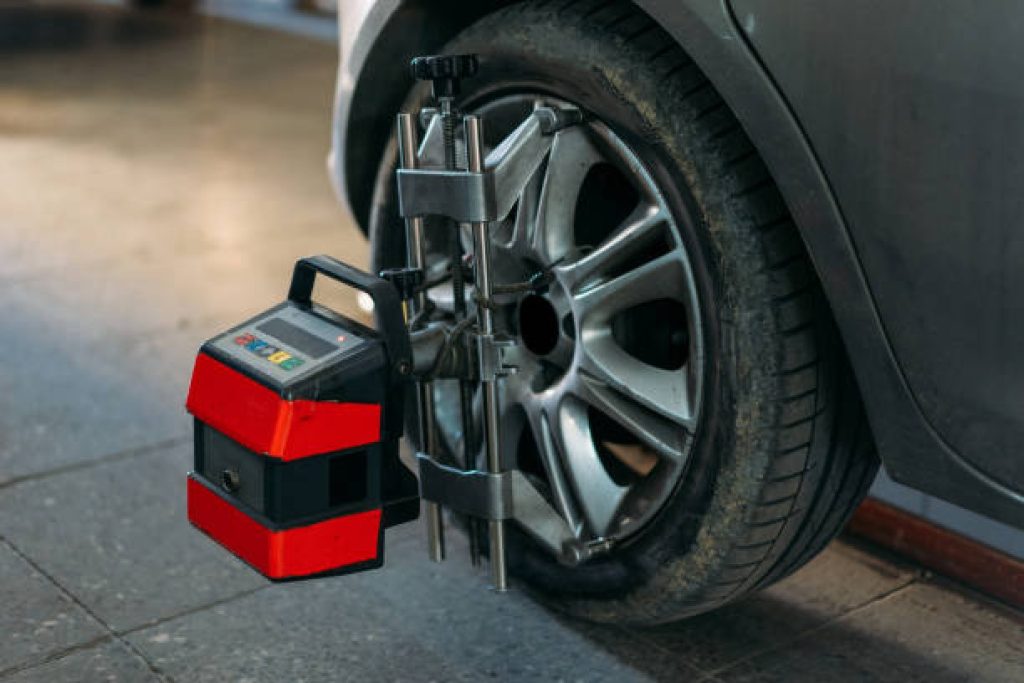
Proper wheel alignment is fundamental to vehicle and vehicle tyre safety, handling, and tyre longevity. When wheels aren’t aligned correctly, your vehicle pulls to one side, tyres wear unevenly, and fuel efficiency suffers. At Mobile Home Car Services our professional wheel alignment service uses advanced equipment to restore perfect positioning.
Understanding Wheel Alignment
Wheel alignment refers to adjusting your vehicle’s suspension geometry—the angles at which wheels sit relative to the road and vehicle body. Three primary measurements define alignment: camber, toe, and caster. Precise alignment ensures wheels roll parallel to each other and perpendicular to the ground.
Proper alignment maintains vehicle control, maximizes tyre life, and delivers optimal fuel efficiency. Even minor misalignment causes problems over time, making regular assessment essential for vehicle maintenance.
Signs Your Wheels Need Alignment
Vehicle Pulling
If your car drifts left or right without steering input, alignment issues are likely. Pulling typically indicates uneven camber or toe angles between wheels.
Uneven Tyre Wear
Excessive wear on one side of tyres signals alignment problems. Inner or outer edge wear suggests camber issues, while one-sided wear indicates toe misalignment.
Steering Wheel Vibration
Misaligned wheels cause steering wheel shaking, especially at highway speeds. This sensation often worsens as speeds increase.
Off-Center Steering Wheel
After driving straight, your steering wheel should return to center. If it angles significantly, alignment correction is needed.
Squealing Tyres
Misaligned wheels cause excessive tyre friction, resulting in squealing during turns or acceleration.
Our Wheel Alignment Process
Preliminary Inspection
We examine suspension components for wear, damage, or previous repairs that might affect alignment. This assessment identifies any underlying issues requiring attention.
Computer Alignment Analysis
Using advanced alignment equipment, we measure camber, toe, and caster angles precisely. Computer diagnostics compare measurements against manufacturer specifications.
Suspension Adjustment
Our technicians adjust suspension components to correct angle discrepancies. Adjustments depend on your vehicle’s specific design and repair needs.
Verification Testing
After adjustment, we perform alignment measurements confirming all angles meet specifications. Test drives verify improved handling and reduced pulling.
Documentation
We provide detailed alignment reports showing before-and-after measurements, ensuring transparency and building confidence in our service quality.
Types of Alignment Services
Two-Wheel Alignment
Adjusts only front wheels, suitable for front-wheel-drive vehicles or routine maintenance. More affordable than four-wheel service.
Four-Wheel Alignment
Adjusts both front and rear wheels, providing comprehensive correction. Especially beneficial for all-wheel-drive vehicles or complex suspension issues.
Benefits of Professional Wheel Alignment
-Extended Tyre Life: Proper alignment prevents uneven wear and extends tyre lifespan significantly
– Improved Fuel Efficiency: Correctly aligned wheels reduce rolling resistance
– Better Handling: Enhanced steering response and vehicle control
– Increased Safety: Proper alignment improves braking stability and emergency handling
– Smoother Ride: Reduces vibration and pulling sensations
– Suspension Protection: Prevents excessive wear on suspension components
Frequently Asked Questions
How often should I get wheel alignment?
Most vehicles benefit from alignment checks every 12 months or 12,000 miles. Alignment changes due to normal driving, and regular checks catch problems early. Check after accidents, pothole impacts, or suspension work.
What is camber, toe, and caster?
Camber is the wheel’s tilt angle from vertical. Toe is the angle wheels point relative to centerline. Caster is the suspension angle affecting steering. All three measurements affect handling, safety, and wear.
Can poor alignment damage my suspension?
Yes, misaligned wheels cause excessive stress on suspension components, accelerating wear and causing costly damage. Addressing alignment promptly prevents expensive repairs.
How long does alignment service take?
Standard wheel alignment takes 45-60 minutes depending on vehicle type and adjustment complexity. We work efficiently without compromising accuracy.
Will alignment adjustment cause problems?
Professional alignment adjustments following manufacturer specifications improve vehicle performance. No problems result from quality alignment work.
Is alignment expensive?
Alignment costs typically range $100-200 depending on vehicle type and required adjustments. This investment prevents much more expensive tyre and suspension repairs.
Can I drive with misaligned wheels?
While possible, misaligned wheels compromise safety and cause accelerating damage. We recommend professional alignment as soon as pulling or unusual wear appears.
What causes wheel misalignment?
Accidents, hitting potholes, curbs, suspension wear, and normal driving gradually shift alignment. Regular checks maintain specifications over your vehicle’s lifetime.
