
Bad Clutch Symptoms: What to Look Out For?
Home » Bad Clutch Symptoms: What to Look Out For
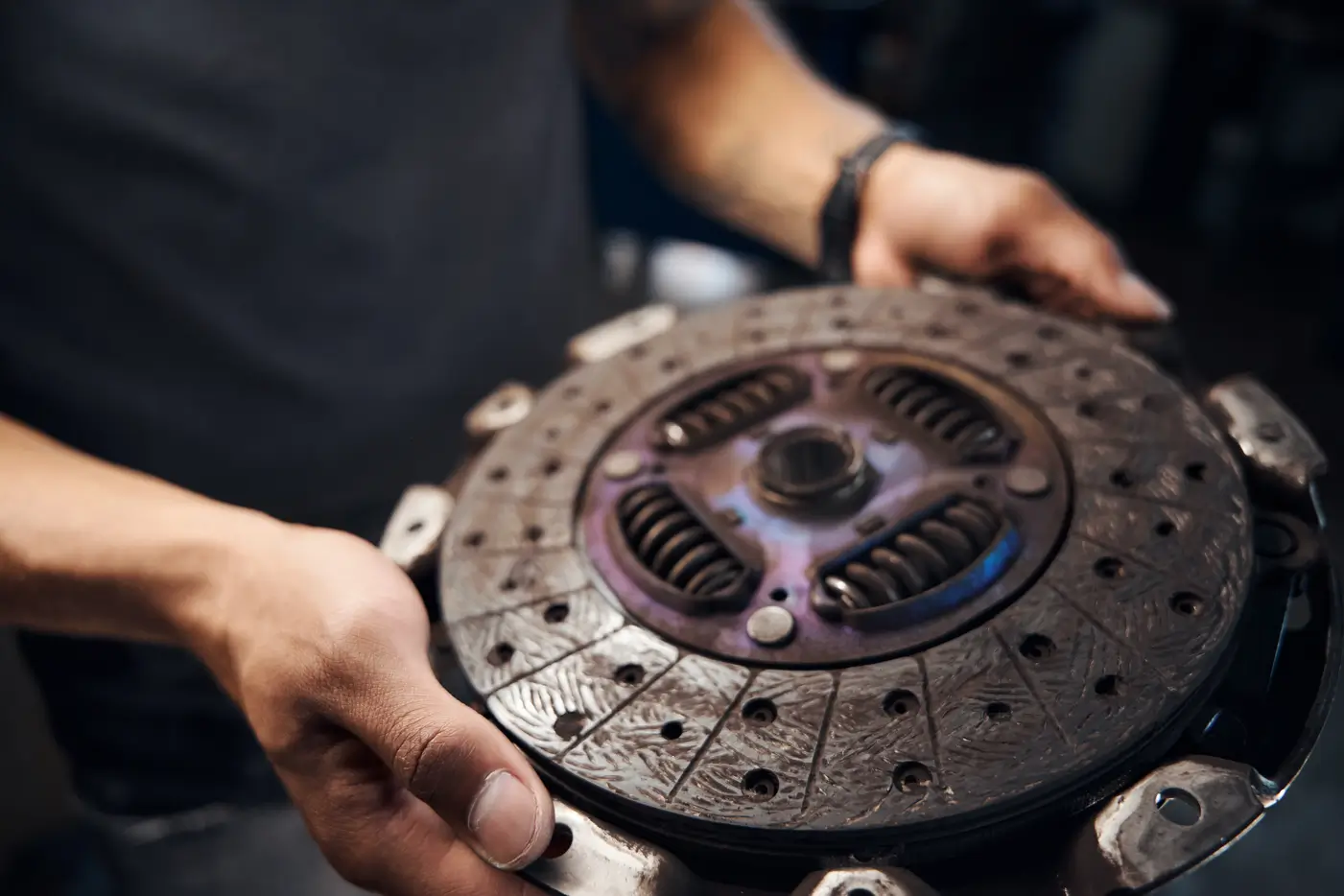
Table of Contents
A vehicle depends on precise mechanical coordination to deliver smooth performance, safety and driving confidence. When a crucial component begins to deteriorate, the impact is often felt long before it fails. Recognising the early signs of clutch problems enables you to take action before drivability is compromised. Subtle clutch problems signs, like unusual pedal feel or hesitation during gear changes, are often the first indicators. Ignoring a clutch slipping warning sign can quickly lead to reduced power, higher repair costs and unexpected breakdowns.
How to Know Your Clutch Is Failing
Urban driving conditions place massive stress on the clutch. Constant stopping, starting, and hill driving can accelerate wear and tear on your vehicle.
- Increased effort is required during peak traffic
- Heavy vibration when starting from a stop
- Difficulty engaging first or reverse gear
Common Bad Clutch Symptoms Every Driver Should Look Out For
Difficulty in Changing Gears
If gear changes feel stiff, rough or delayed, this is a major indicator of clutch problem signs. You may experience resistance when shifting gears, grinding noises during gear changes, and gear popping out unexpectedly. This is noticed in stop-start traffic around busy roads, where frequent gear changes place additional stress on the clutch system.
Unusual Noises When Applying the Clutch
Sounds can often reveal mechanical problems before they become performance issues. Common noises include grinding, squeaking and clicking sounds during gear changes. These noises may indicate worn bearings, pressure plate issues, or misalignment, which are serious symptoms of a bad clutch.
Clutch Slipping Warning Under Acceleration
A slipping clutch is one of the clearest indicators of clutch wear. This occurs when the clutch fails to fully engage, resulting in the engine revving without a corresponding increase in speed.
Signs of clutch slipping include:
- Burning smell from the engine bay
- Rising engine RPM without acceleration
- Loss of power when overtaking or climbing hills
A persistent clutch slipping warning should not be ignored, as continued driving can damage the transmission.
Soft or Spongy Clutch Pedal
Changes in pedal feel are another strong indicator of clutch trouble. If the pedal is soft or spongy, there is a hydraulic fluid leak or air in the system. Any such noticeable change in pedal resistance is a clear sign of hidden clutch problems.
Poor Acceleration and Reduced Fuel Efficiency
As the clutch loses its power to fully engage, power transfer becomes inefficient. You may notice reduced fuel economy, sluggish acceleration and engine strain during normal driving. These bad clutch symptoms not only affect performance but also increase fuel expenses over time.
Dashboard Warning Lights in Some Vehicles
Modern vehicles may display warning lights related to drivetrain or transmission issues when clutch-related problems are detected. Though not all clutch failures activate warning lights, their appearance alongside performance issues strengthens the case for immediate inspection.
Smell of Burning or Overheating
A strong burning smell, often described as similar to burnt toast, is a serious clutch slipping warning. This occurs when friction material overheats because of excessive slipping. This is common when towing loads, sitting in heavy traffic while using the clutch and driving uphill.
Why Ignoring Bad Clutch Symptoms Is Risky
Driving with clutch issues can cause damage to the flywheel, sudden loss of vehicle control, breakdown in unsafe locations and at inopportune times, and transmission failure. On highways or during peak-hour traffic, this can pose serious safety risks.
When to Book a Professional Clutch Inspection
If you notice any of the following, it is time to have your vehicle inspected by a certified professional. Postponing repairs often increases the final cost.
- Unusual noises
- Gear engagement problems
- Burning smells
- Persistent clutch slipping warning
Choose Mobile Home Car Services for Professional Vehicle Care
At Mobile Home Car Services, you are guided by experienced technicians who understand how critical a quality clutch system is to your vehicle’s performance. We inspect, diagnose, and repair clutch systems with precision, whether you are dealing with early signs of clutch problems or more advanced mechanical issues. Our team focuses on identifying the root cause of clutch problems, addressing clutch slipping warnings, and knowing when your clutch is failing before it becomes an expensive issue. Contact us at 07 3390 2055 to book a service, and our team will arrive at your location on time to complete the job.
FAQ
What are the signs of a bad clutch?
Common signs include a spongy or stiff clutch pedal, slipping gears, a burning smell when driving, difficulty changing gears, and a grinding or rattling noise. If you notice any of these, have your clutch inspected by a mechanic as soon as possible.
What are the symptoms of a worn clutch?
A worn clutch typically causes the engine to rev higher than usual without a matching increase in speed (clutch slip), vibration through the pedal, and delayed or jerky gear changes. Worn clutches worsen quickly — early diagnosis saves costly repairs.
How do you know when your clutch is going?
Your clutch may be going if the pedal feels different to normal, the car struggles to pull away smoothly, gears slip out of place under acceleration, or you notice a burning smell after hills or heavy traffic. These are early warning signs not to ignore.
What are the early signs of clutch failure?
The earliest signs of clutch failure are subtle — a slightly higher biting point than usual, minor shuddering when pulling away, or a faint burning smell on steep inclines. Catching these early can prevent full clutch failure and a much larger repair bill.
How long does a clutch last, and what shortens its life?
A clutch typically lasts between 80,000–160,000 km depending on driving style and vehicle type. Riding the clutch, frequent stop-start driving, and towing heavy loads all accelerate wear. Regular servicing helps identify clutch wear before it leads to failure.
