
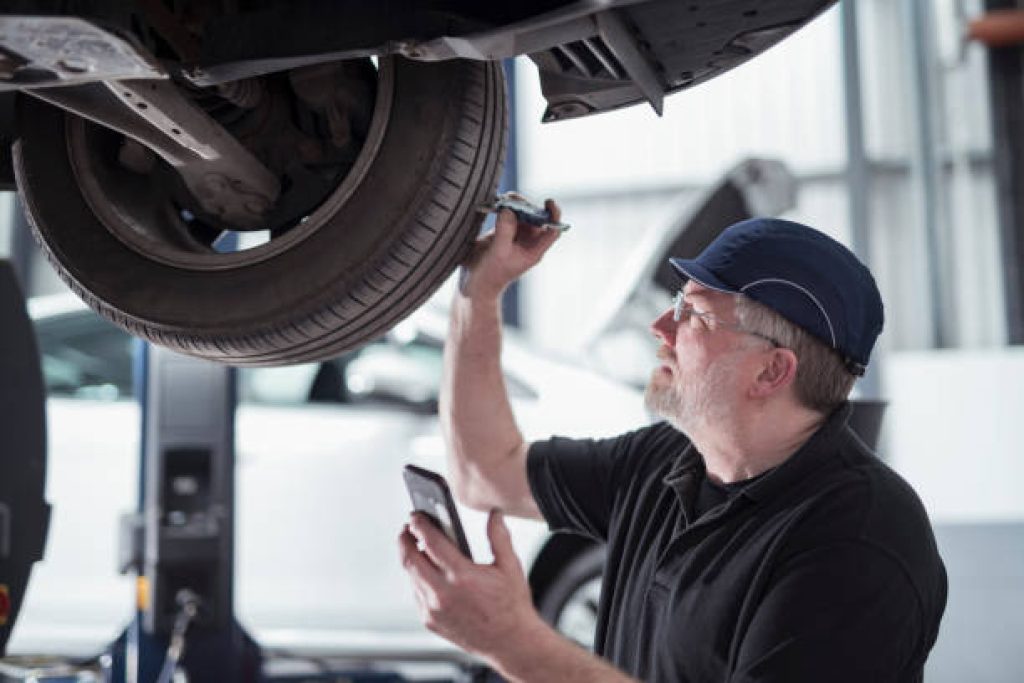
Regular tyre inspection is essential for vehicle tyre safety and performance. At Mobile Home Car services our professional tyre inspection identifies wear, damage, and safety issues before they become dangerous. Our comprehensive inspection service provides detailed assessment and actionable recommendations.
Why Tyre Inspection is Critical
Your tyres are your vehicle’s only contact with the road. Worn, damaged, or underinflated tyres compromise grip, handling, and braking performance. Regular inspection catches problems early, preventing dangerous situations and expensive emergency repairs.
Professional inspection detects issues invisible to casual observation. Hidden damage, internal cord separation, and uneven wear patterns require expert assessment. Our thorough inspections ensure you understand your tyres’ condition and can make informed maintenance decisions.
Our Tyre Inspection Process
Visual Assessment
We examine each tyre carefully, noting tread depth, sidewall condition, bulges, cuts, and abnormal wear patterns. This visual evaluation reveals obvious damage and deterioration requiring attention.
Tread Depth Measurement
Using specialized depth gauges, we measure tread depth across multiple locations on each tyre. This measurement determines if tyres meet legal minimums and how much life remains.
Pressure Verification
We check tire pressure against manufacturer specifications, noting any underinflation or overinflation affecting performance and safety.
Structural Integrity Check
We examine tire sidewalls for bulges, cracks, or separation indicating internal damage. These conditions require immediate replacement for safety.
Damage Documentation
We photograph and document all findings with detailed notes. This documentation helps you track tyre condition over time and supports insurance claims if needed.
Recommendations Report
Based on inspection findings, we provide clear recommendations for maintenance, repairs, or replacement. You receive a written report explaining all findings.
What We Check During Inspection
Tread Condition
Adequate tread depth is essential for water displacement in wet conditions. We measure depth to ensure safety margins and legal compliance.
Wear Patterns
Even wear indicates proper alignment and maintenance. Uneven patterns suggest alignment issues, underinflation, or suspension problems requiring correction.
Sidewall Damage
Cuts, bulges, or cracks in sidewalls indicate structural compromise. Sidewall damage cannot be safely repaired and requires replacement.
Bead Condition
The bead seats the tyre on the rim. Damage here prevents proper seating and causes air leaks requiring replacement.
Foreign Objects
We locate and document any nails, screws, or debris embedded in tyres. This information helps determine if repair or replacement is appropriate.
Age Assessment
Tyres degrade over time even with minimal use. We check manufacturing dates and assess condition-related aging requiring replacement.
When Tyre Inspection is Important
Before Long Trips
Inspecting tyres before highway driving ensures they’ll perform safely during extended use. Peace of mind during travel is invaluable.
Seasonal Changes
Transitioning between seasons provides good opportunities to inspect tyres and determine if seasonal replacements are needed.
After Accidents
Impact events may cause hidden damage not immediately apparent. Professional inspection verifies safety after incidents.
Regular Maintenance
Periodic inspection catches problems early when repairs might still be possible, preventing emergency situations.
Safety Concerns
If you notice unusual vibration, pulling, or performance changes, professional inspection identifies underlying issues quickly.
Benefits of Regular Tyre Inspection
-Safety Assurance: Early problem detection prevents dangerous situations
– Cost Savings: Catching issues early may enable repair instead of replacement
– Performance Optimization: Proper tyre condition improves handling and efficiency
– Legal Compliance: Ensures tyres meet legal minimum standards
– Insurance Support: Documented inspections support insurance claims when accidents occur
– Planning Assistance: Understanding tyre condition helps plan budget for eventual replacement
– Peace of Mind: Regular verification builds confidence in vehicle safety
Frequently Asked Questions
How often should I inspect my tyres?
We recommend professional inspection every 6 months or with each oil change. Between inspections, perform monthly pressure checks and visual assessments yourself.
What is the penny test for tyres?
Insert a penny upside down into tread grooves. If the coin disappears into the groove, tread depth is adequate. If Lincoln’s head is visible, replace the tyre.
What's the legal minimum tread depth?
Most jurisdictions require minimum 2/32-inch tread depth. We recommend replacement at 4/32-inch to maintain adequate wet-weather traction.
Can I fix bulging or cracked sidewalls?
No, sidewall damage cannot be safely repaired. Tyres with sidewall damage must be replaced immediately to prevent blowouts.
How long does professional inspection take?
Comprehensive tyre inspection takes 15-20 minutes, providing detailed assessment and written report of findings.
What if inspection reveals multiple issues?
We provide prioritized recommendations addressing most critical safety issues first. We work with you to plan repairs or replacements within your budget.
Does inspection cost extra?
Many facilities offer free inspection with service packages or charge modest fees. We provide detailed reports justifying the small investment.
What should I do if inspection finds problems?
We discuss findings and recommend appropriate next steps—repair, replacement, or monitoring. You make informed decisions based on professional assessment and your needs.
